
Jewelry
Settling an Estate's Jewelry Collection
Settling an estate's jewelry means sorting everything from costume pieces to fine gold, then deciding what to keep, appraise or sell as a group.
Published · Gold King, Houston TX
Why estate jewelry is different from a single sale
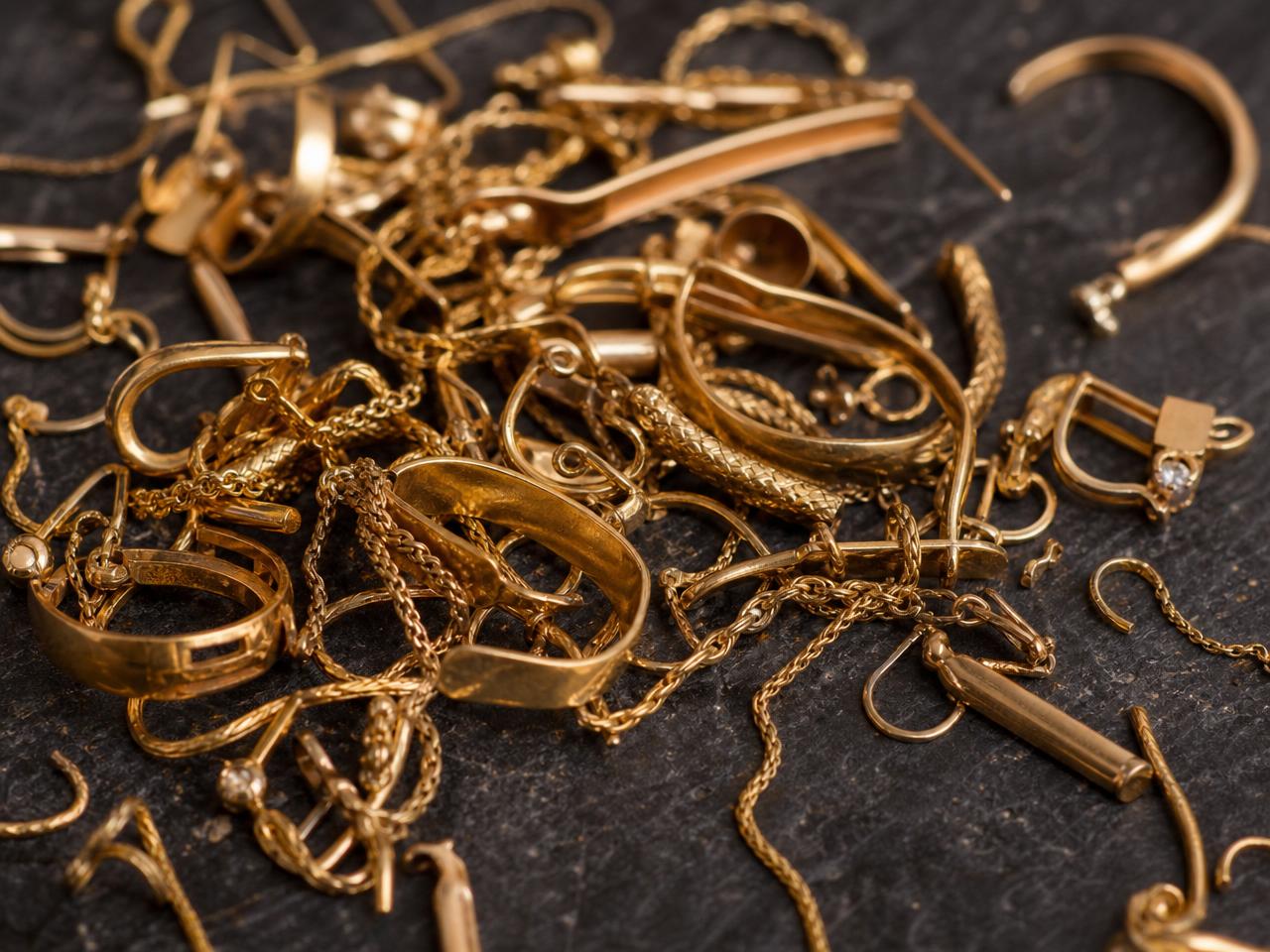
Selling one ring is a simple transaction. Settling an estate usually means a jewelry box, drawer or safe deposit box with decades of accumulation — wedding sets, class rings, loose stones, tangled chains, watches, and costume pieces all mixed together with no record of what's real gold and what isn't. The goal isn't to guess at value item by item before you even get an appraisal; it's to get everything in front of someone who can sort it accurately in one visit.
Estates also carry an emotional layer that straightforward sales don't. Some pieces will matter to family members regardless of dollar value, and others will be genuinely valuable but forgettable to everyone involved. Separating those two categories before you sell anything prevents regret later.
Sorting a full jewelry box before you sell
Start by grouping items into rough categories rather than trying to value each piece yourself: fine jewelry with visible karat stamps, jewelry with no visible markings, costume and fashion jewelry, loose stones, and watches. Karat stamps (10K, 14K, 18K) are usually inside a ring band, on the inner curve of a bracelet, or near a necklace clasp, though they can be worn smooth on older pieces.
Don't discard unmarked pieces — plenty of genuine gold and platinum jewelry, especially older items, has lost its stamp to decades of wear, and a magnet or acid test settles the question in minutes. Keep sentimental pieces separate and clearly labeled so they don't get bundled into a sale by mistake, and photograph anything you're unsure about before bringing the collection in, in case family members want a record.
- Fine jewelry with visible karat stamps
- Unmarked pieces (test before assuming costume)
- Loose stones and broken settings
- Watches, separated by brand if known
- Sentimental keepsakes set aside from the sale pile
Executor paperwork and legal considerations
If you're acting as executor or administrator of an estate, Texas generally expects you to inventory estate property, including jewelry, as part of the probate process, and to act in the beneficiaries' best interest when selling assets. That doesn't require a formal appraisal for every piece, but it does mean keeping records: a written list of what was sold, to whom, on what date, and for how much, along with a valid photo ID for the transaction, which Texas law requires for precious metal purchases regardless of who is selling.
If the estate has multiple heirs, it's worth agreeing in advance on how proceeds from a jewelry sale will be divided, and keeping the buyer's itemized receipt so every heir can see exactly what was sold and for what price. This avoids disputes later and gives you a clean paper trail if the estate is ever reviewed by a probate court or other heirs.
How estate jewelry is actually priced
A reputable buyer will sort an estate lot the same way you should: separating gold, silver and platinum by karat and weight, pulling diamonds and colored stones for individual grading, setting aside watches for brand-specific evaluation, and pricing costume jewelry, if at all, based on collectibility rather than metal content. Precious metal pieces are priced against the live spot price at the time of sale; diamonds and gemstones are graded and priced against current wholesale value; and designer or signed pieces are researched individually.
Selling a full estate collection at once, rather than piece by piece over months, usually gets you one clear appraisal, one itemized offer, and one payment — which matters when you're also managing the rest of an estate's affairs and don't have time for a drawn-out process.
What to do with costume and low-value pieces
Not everything in an estate box will have resale value, and that's fine to know upfront. Costume jewelry, gold-plated pieces, and broken fashion items generally aren't worth much beyond sentimental value, and an honest buyer will tell you that plainly rather than making a token offer to seem generous. Ask directly which pieces in a lot carry real value and which don't; it helps you decide what to keep for family versus what to include in a sale.
Get an estate jewelry appraisal in Houston
Gold King has helped Houston families settle estate jewelry collections since 2008, sorting full boxes into clear, itemized offers in a single visit — the same counter process our Houston jewelry buyers run for any collection. Bring the collection to 6809 Southwest Freeway — we're open Monday–Thursday 9:30 AM–7:00 PM, Friday–Saturday 9:30 AM–8:00 PM and Sunday 12:00–7:00 PM — for a free appraisal with no obligation to sell. Cash payment on the spot if you accept. Questions before you come in? Call 713-997-0875.
Ready to sell? Gold King buys these items in Houston every day — sell estate jewelry in Houston, jewelry buyer in Houston, sell diamonds in Houston and sell gold in Houston. Every appraisal is free, and payment is cash on the spot.
Questions about your item, or want a free in-person evaluation at 6809 Southwest Freeway, Houston?
Call Gold King at 713-997-0875Keep reading
These Gold King guides cover the same subject from different angles:
- JewelryAntique Jewelry Guide: Period ID & ValueLearn to identify Victorian, Edwardian, Art Deco, Retro and mid-century jewelry, and when antique value beats simple melt.
- JewelryJewelry Appraisal Guide: Insurance vs. ResaleWhy an insurance appraisal and a resale offer on the same piece of jewelry can be very different numbers, and what each is for.
- EducationPawn Shop vs. Gold Buyer: Which Pays More?Compare pawn shop loans against selling to a dedicated gold buyer in Houston — how payouts, speed and ownership differ.
- JewelryEngagement Ring Resale: What They're Really WorthWhat an engagement ring is realistically worth on resale after a broken engagement, divorce or upgrade, and how to get the most for it.
Selling from outside central Houston? We buy from Houston, Memorial and West University Place customers every week.
Start at the Gold King homepage for everything we buy, or contact our Houston store for a free appraisal and a same-day cash offer.
Questions about this guide
- Do I need a formal appraisal before selling an estate's jewelry?
- Not necessarily for the sale itself, but keeping a written itemized record of what was sold and for how much protects you if you're acting as executor and answering to other heirs.
- What if some jewelry in the estate has no karat stamp?
- Unmarked jewelry isn't automatically costume. A magnet or acid test can confirm whether it's real precious metal in minutes — worth doing before assuming a piece has no value.
- Can I sell an entire estate collection in one visit?
- Yes. A full sort, appraisal and itemized offer for a whole collection can typically be done in a single appointment, which is usually faster and simpler than selling pieces one at a time.
- Who can legally sell inherited jewelry?
- Generally the estate's executor or administrator, or an heir who has received clear title to the item. Texas law requires valid photo ID from whoever completes the sale.